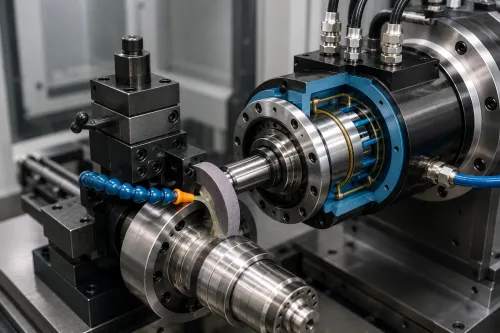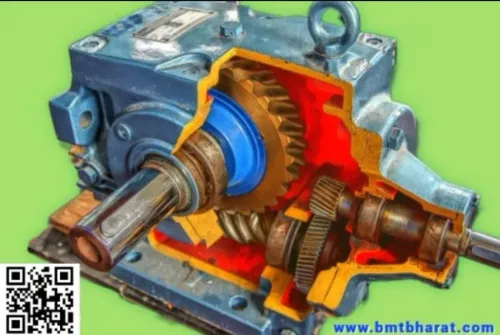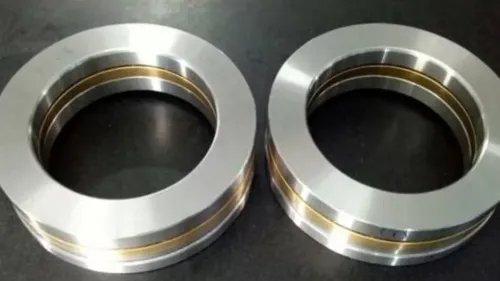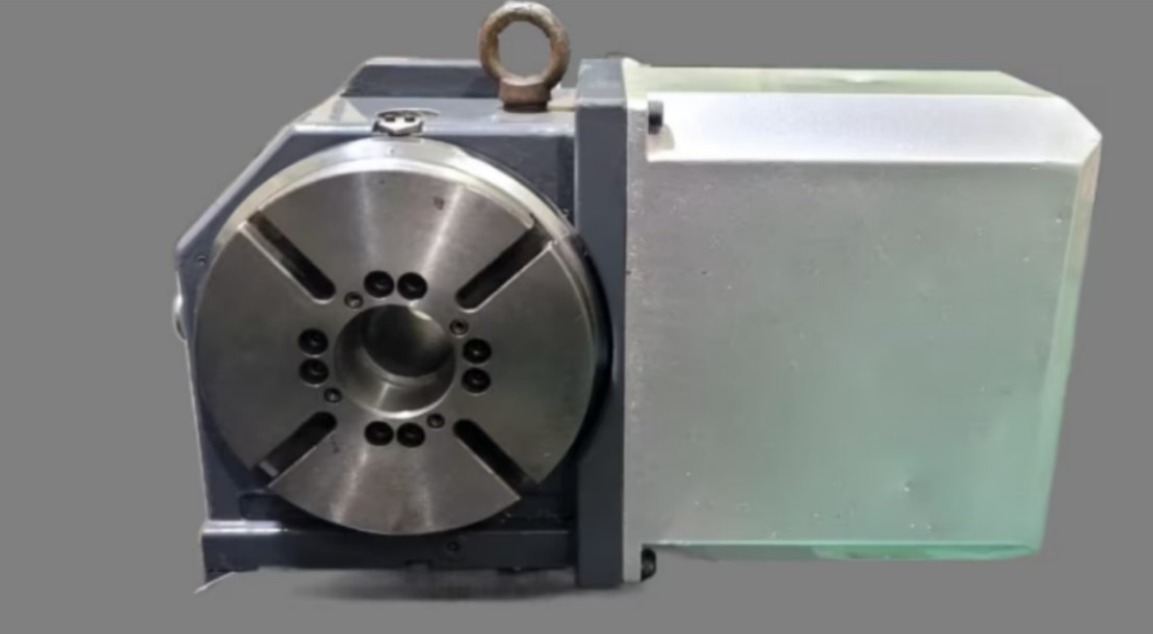
Every additional setup in a machining process introduces the possibility of alignment errors. When a workpiece needs to be machined from multiple angles, manually repositioning it not only increases production time but can also affect dimensional accuracy. This is where rotary tables become an invaluable part of modern CNC machining.
By enabling controlled rotational movement, a rotary table allows the workpiece to be indexed accurately without repeated manual adjustments. This results in better consistency, reduced setup time, and improved productivity.
Supporting Precision Across Industries
Rotary tables are widely used in industries where precision is critical. Tool rooms, aerospace component manufacturers, automotive suppliers, mould makers, and general engineering companies depend on them to machine complex components with greater accuracy.
In Bangalore, where precision manufacturing continues to expand, rotary tables have become an important addition to CNC machining centres that handle intricate and high-value components.
What Makes a Quality Rotary Table?
The effectiveness of a rotary table depends on its engineering rather than its size. A well-designed unit offers excellent rigidity, smooth indexing, and high positioning accuracy, helping machines maintain repeatable performance even during demanding operations.
When evaluating a rotary table, manufacturers typically consider:
- Positioning and indexing accuracy
- Load capacity for the intended application
- Structural rigidity under machining loads
- Compatibility with existing CNC equipment
Experienced manufacturers such as Bharat Machine Tools supply precision rotary tables that support a wide range of machining requirements, helping industries achieve reliable and consistent production results.
As manufacturing moves toward higher precision and greater automation, rotary tables continue to play an important role in improving machining efficiency while maintaining the quality standards expected across modern industrial applications.